
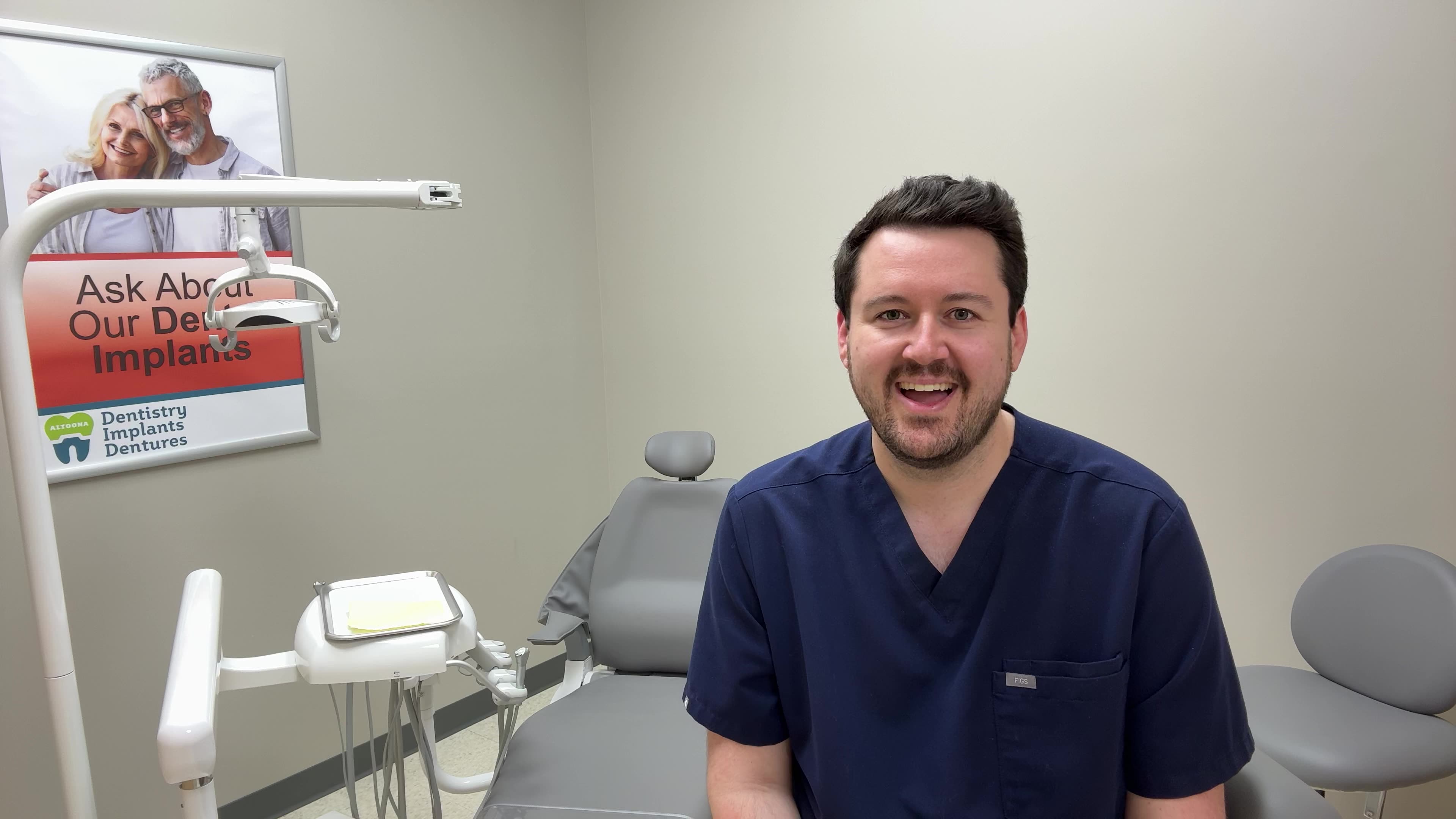
 See My Latest Article on HelloNation

Wisdom teeth are the final molars at the back of the mouth, usually appearing during the late teenage years or early adulthood. Some grow in normally and remain healthy, while others become trapped, angled, difficult to clean, or associated with pain and infection.
For residents of Altoona, PA, understanding when removal is considered—and how to care for the mouth afterward—can make an uncomfortable experience more manageable.
What are wisdom teeth, and why do they cause problems?
Wisdom teeth are a third set of molars. They may cause trouble when the jaw does not have enough room for them to emerge fully. A tooth may remain partly covered by gum tissue, grow toward the neighboring molar, or stay trapped beneath the gum and bone.
Common problems include:
- Repeated pain or tenderness behind the second molar
- Swollen or bleeding gum tissue
- Food becoming trapped around a partially erupted tooth
- Tooth decay that is difficult to clean
- Gum infection around the wisdom tooth
- Damage to the neighboring molar
- A cyst or other change around an impacted tooth
Not every wisdom tooth needs to be removed. A healthy tooth that is fully erupted, positioned correctly, and easy to clean may be monitored instead. The American Dental Association notes that removal decisions depend on each person’s mouth, symptoms, tooth position, and risk of future disease. ([ada.org](https://www.ada.org/sitecore/content/ADA-Organization/ADA/MouthHealthy/home/all-topics-a-z/wisdom-teeth?utm_source=openai))
How is the decision made?
An examination and dental X-ray usually show whether a wisdom tooth is upright, angled, partially trapped, or close to important structures. The image can also reveal decay, infection, bone changes, or the relationship between lower tooth roots and nearby nerves.
Removal is more likely to be recommended when a tooth is causing disease or is at a clear risk of doing so. A dentist or oral surgeon may discuss observation instead when the tooth is symptom-free and can be kept clean.
Age alone does not determine whether removal is necessary. However, younger adults often heal more easily than older adults, while delaying treatment can allow infection, decay, or damage to develop. The decision should be based on the expected benefits and risks rather than on the assumption that every wisdom tooth must come out.
What happens during removal?
Straightforward wisdom teeth can sometimes be removed much like other teeth. If a tooth is impacted, the procedure may require an incision in the gum, removal of a small amount of bone, or division of the tooth into sections.
Local anesthetic is commonly used. Depending on the procedure and the patient’s needs, sedation may also be discussed. The treatment plan should explain the expected level of awareness, transportation requirements, eating restrictions, medications, and possible complications.
Potential complications are uncommon but can include infection, bleeding, dry socket, injury to nearby teeth, sinus-related concerns with some upper teeth, or temporary numbness involving the lip, chin, cheek, or tongue. Lower wisdom teeth that are close to nerves require especially careful review of the X-ray and surgical risks. ([my.clevelandclinic.org](https://my.clevelandclinic.org/health/treatments/22119-wisdom-teeth-removal?utm_source=openai))
What should be expected after surgery?
Pain, swelling, jaw stiffness, and mild bruising are common. Swelling may be most noticeable during the second or third day and should gradually improve afterward. Many people resume ordinary work or school activities within several days, although complete recovery can take one to two weeks, particularly after a more difficult extraction. ([my.clevelandclinic.org](https://my.clevelandclinic.org/health/treatments/22119-wisdom-teeth-removal?utm_source=openai))
The first day is mainly about protecting the blood clot that forms in the extraction socket. That clot covers sensitive tissue and supports healing.
Typical aftercare includes:
- Bite gently on gauze as directed to control initial bleeding.
- Rest and avoid strenuous exercise during the early recovery period.
- Use a cold pack on the outside of the cheek for short intervals during the first day.
- Eat soft foods such as yogurt, eggs, applesauce, soup that is not hot, mashed vegetables, or pasta.
- Drink water and avoid using a straw.
- Brush the other teeth carefully, avoiding direct brushing over the surgical area.
- Follow medication instructions, including checking before combining pain medicines.
- After the first day, rinse gently with warm salt water if instructed.

People in Altoona may also need to plan around winter weather, snow, or long drives for follow-up care. Cold air can make a healing mouth feel more sensitive, and slippery conditions may make rest and transportation more difficult immediately after sedation. Keeping food, water, prescribed medicines, and comfortable indoor conditions available before surgery can reduce unnecessary errands.
What is dry socket?
Dry socket occurs when the blood clot is lost too early or does not protect the socket properly. It is more common after wisdom tooth removal than after some other extractions. The typical pattern is pain that becomes stronger rather than better several days after surgery, sometimes spreading toward the ear or jaw. An unpleasant taste or odor may also occur.
To reduce the risk, avoid smoking or vaping, do not drink through a straw, and do not vigorously rinse or spit during the early healing period. Hard, crunchy foods can also irritate the area. If severe pain develops after initial improvement, the extraction site may need to be evaluated and treated. ([my.clevelandclinic.org](https://my.clevelandclinic.org/health/diseases/17731-dry-socket?utm_source=openai))
Which symptoms require prompt attention?
Some bleeding and soreness are expected, but certain symptoms should not be ignored. Seek urgent dental or medical guidance for:
- Bleeding that does not slow with firm gauze pressure
- Increasing swelling that affects swallowing or breathing
- Fever, pus, or worsening facial swelling
- Pain that becomes significantly worse after several days
- Persistent numbness or unusual weakness
- Inability to drink enough fluid
- A reaction to medication, such as facial swelling, hives, or trouble breathing
Difficulty breathing or swallowing is an emergency. Severe symptoms should not be managed only with home care.
Can wisdom teeth be prevented from becoming a problem?
Good daily cleaning helps, but it cannot change the angle or amount of space available for an impacted tooth. Use a small-headed toothbrush to reach the back molars, clean along the gumline, and attend routine dental examinations so changes can be identified before they become painful.
A wisdom tooth that is being monitored still needs attention. New tenderness, swelling, difficulty opening the mouth, bad taste, or food repeatedly catching behind the second molar can indicate a developing problem. Early evaluation may provide more options than waiting until pain or infection becomes severe.
The most useful question is not simply whether wisdom teeth are present. It is whether each tooth is healthy, functional, cleanable, and unlikely to damage nearby structures. That assessment helps balance the benefits of removal against the risks of surgery for the individual patient.