
 See My Latest Article on HelloNation
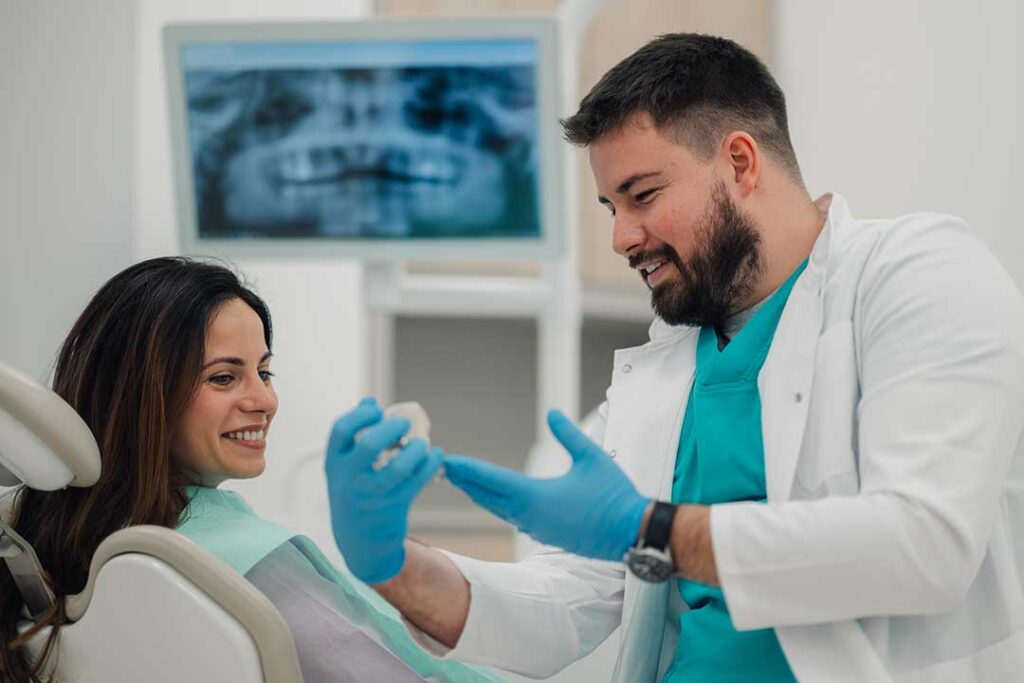
How Does Oral Health Influence General Health?
Oral health affects much more than just the mouth. In Altaona, gum disease, tooth decay, and oral infections can be linked with overall health concerns, including heart disease, diabetes, and respiratory conditions. Oral bacteria and inflammation are key factors—bacteria in the mouth can spread through the bloodstream, potentially worsening or triggering health problems elsewhere in the body. People living in the city, with seasonal variations and varying household habits, may encounter specific risks connected to local climate and water quality.
Can Issues in the Mouth Impact Other Body Systems?
Yes—scientific studies consistently show that oral health isn’t isolated from the rest of the body. Here’s how oral conditions can relate to broader health:
- Gum disease (periodontitis) is associated with increased risk of cardiovascular disease.
- Untreated dental infections can enter the bloodstream (bacteremia), sometimes affecting heart valves or joints in vulnerable individuals.
- People with chronic diseases like diabetes—common among older adults and some segments of area households—often experience more severe gum problems, since high blood sugar can lower the body’s ability to fight infection.
- Some respiratory illnesses, particularly in people with weaker immune systems, may be linked to inhalation of oral bacteria.
Managing dental issues helps decrease inflammation and lowers risks tied to these conditions.
What Are Signs That Dental Issues Might Be Affecting Overall Health?
The mouth often provides early warning signs that something is wrong. Local residents should watch for:
- Swollen, bleeding, or receding gums
- Persistent bad breath or an unpleasant taste
- Loose teeth not related to injury
- Sores or lesions that don’t heal within 10 days
Such symptoms could signal periodontitis or other infections. Ignoring them increases the risk that bacteria might reach other body systems, especially for those with chronic illnesses or compromised immune health. It’s just as critical to address dental symptoms as any other health concern.
How Do Daily Habits Shape Oral and Overall Health in This Area?
In the community, common routines and climate factors can contribute to oral health challenges:
- Cold winters and heated indoor air can cause dry mouth, raising cavity risk since saliva helps protect teeth.
- Local diets, including frequent consumption of sweetened hot drinks during colder months, may contribute to tooth decay.
- Tap water in the city is fluoridated, generally helping to prevent cavities—knowing this can inform whether additional fluoride is necessary.
- Tobacco use and regular consumption of alcoholic beverages have strong links to both oral and general health problems.
Adopting consistent brushing (with fluoride toothpaste), flossing, and making thoughtful choices about snacks and beverages can go a long way toward supporting both oral and systemic wellbeing.
Are There Groups in the Community Most at Risk?
Certain groups face higher risks from the oral-systemic health connection:
- Older adults are more likely to have periodontal disease and medical conditions that make infection consequences more severe.
- People living with diabetes, heart disease, or autoimmune disorders should be particularly vigilant about oral health care.
- Families with young children should pay attention to diet and fluoride exposure, since childhood cavities are common and can influence lifelong health.
- Residents relying on medications that cause dry mouth need to take extra care, as reduced saliva increases infection and decay risks.
Easy access to clean water, supportive household routines, and locally relevant health education are important for these groups.
What Misconceptions Do People Often Have About Oral Health’s Importance?
Many believe oral health is only about maintaining a nice smile. In reality:
- Gum disease often causes little discomfort until it’s advanced, but it can still have significant health impacts.
- Tooth loss isn’t a normal part of aging and almost always results from preventable conditions.
- “Bleeding gums are normal" is a misconception—regular bleeding often signals inflammation or infection.
- Oral health isn’t just cosmetic but tied to eating, speaking, and self-confidence, which in turn influence nutrition and social wellbeing.
Better information, not just about how to brush, but why it matters for the entire body, is especially useful for area families and seniors.
What Practical Steps Help Protect Both Mouth and Body?
Effective self-care routines for oral and overall health are straightforward:
- Brush twice daily for two minutes using a soft-bristled toothbrush and fluoride toothpaste.
- Floss once per day to remove food and bacteria between teeth.
- Drink tap water to benefit from its fluoride content and support saliva production.
- Limit sugary snacks and drinks, especially between meals.
- Avoid tobacco and excessive alcohol consumption, which raise risks for gum disease and oral cancer.
- Replace toothbrushes every 3–4 months, particularly after illness.
Awareness of how every day decisions affect both mouth and body can help locals keep their households healthier year-round.