
 See My Latest Article on HelloNation
What Are Dental Sealants?
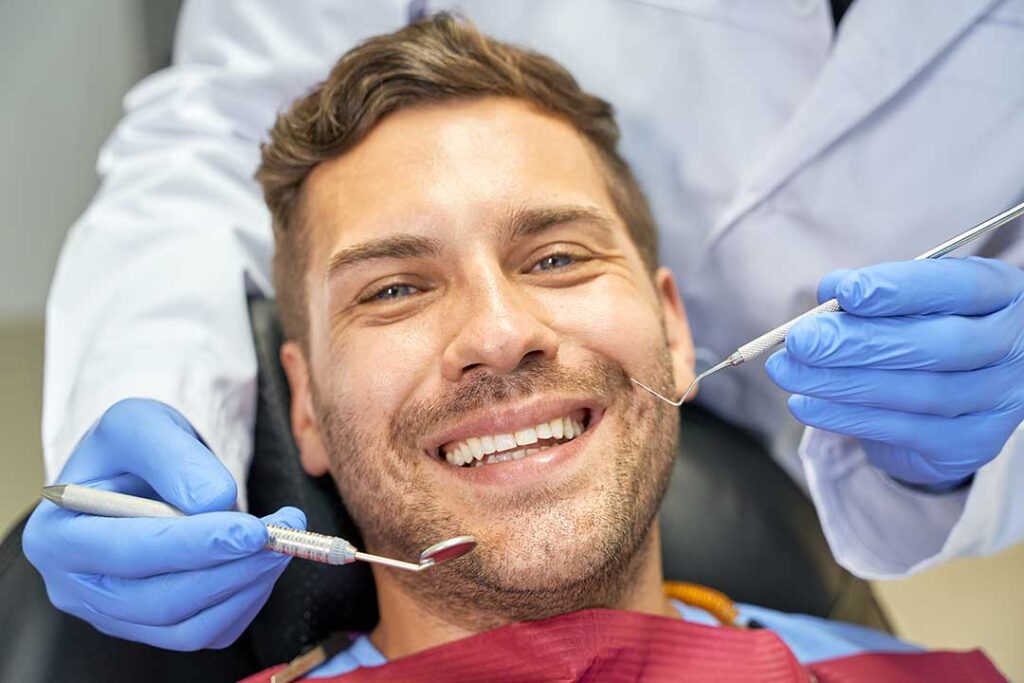
Dental sealants are thin, protective coatings made from a special kind of dental plastic. These coatings are applied to the chewing surfaces of back teeth—primarily molars and premolars—to help keep out food particles and bacteria that can cause cavities. The process is completely painless and does not require numbing or drilling. Once applied, sealants act as a barrier, making it much harder for decay to develop in the grooves and crevices of teeth.
Sealants are not meant to replace brushing and flossing, but they do offer an added layer of defense, particularly for parts of the mouth that are difficult to reach with a toothbrush.
Who Typically Needs Dental Sealants?
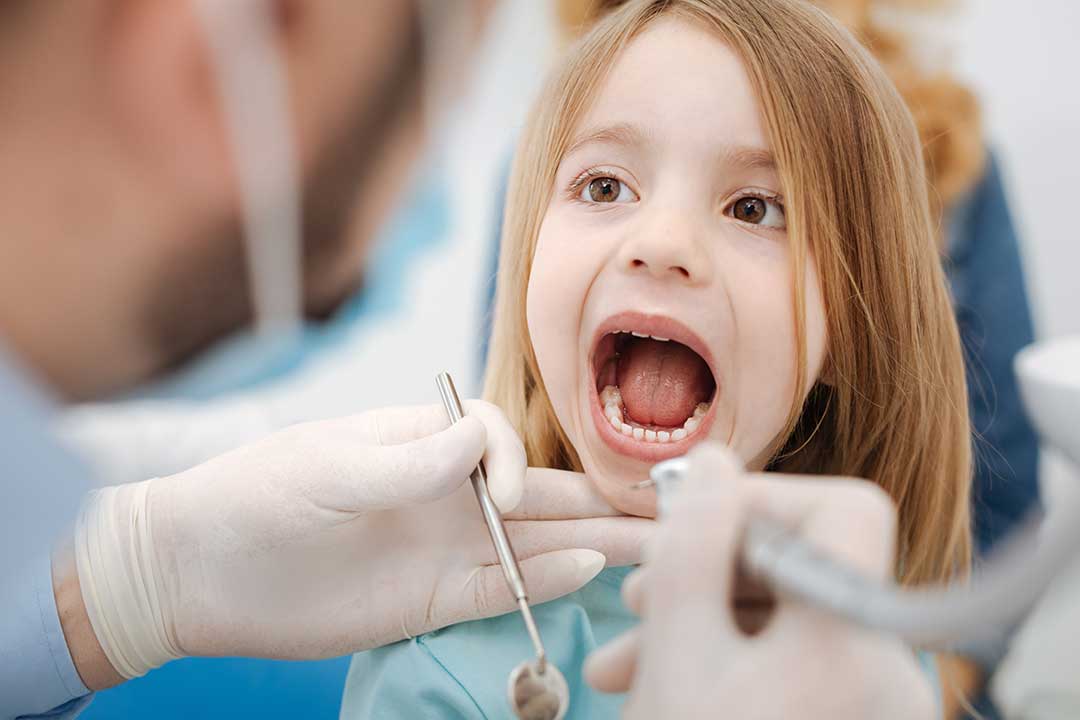
The most common candidates for sealants are children age 6-14, since their new molars and premolars are at the highest risk for cavities. However, adults without any decay or fillings in their back teeth can also benefit.
In Altoona, children navigating the seasonal shifts between warm summers and cold winters frequently find themselves snacking indoors, making preventive care more important. Family routines that include sugary drinks and snacks—especially after school or during sports—can increase the risk of cavities. Sealants offer a practical buffer against this risk.
Key groups who may benefit:
- Children soon after their permanent molars come in (typically around ages 6 and 12)
- Teens and preteens prone to cavities
- Adults with deep grooves in their molars and no previous fillings in those teeth
- Anyone with special needs or difficulty maintaining daily oral hygiene
How Are Dental Sealants Applied?
Applying sealants is a straightforward process and usually takes less than 30 minutes per patient. After cleaning and drying the tooth, a mild acidic solution is used to roughen the surface, helping the sealant adhere. The sealant is then painted onto the tooth enamel where it bonds quickly, sometimes with the aid of a special curing light.
After the application, normal eating and drinking habits can resume right away. The coating is virtually invisible and does not change how teeth look or feel.
How Long Do Dental Sealants Last?
Sealants can protect teeth for several years but typically last between 3 to 5 years with normal use. However, they can wear down or chip, especially in people who chew hard foods or grind their teeth at night. It’s common for a local dentist to check sealants during regular check-ups and reapply them if needed.
Households in Altoona often experience seasonal changes that affect routines—like winter holidays and summer breaks—so checking sealants during routine dental visits is usually sufficient to maintain protection.
Are Dental Sealants Safe?
Yes, decades of research confirm that dental sealants are safe for children and adults. The materials used are designed to stay on teeth without being absorbed into the body. Some parents in Altoona have expressed concerns about the trace amounts of BPA sometimes found in dental plastics. However, extensive studies show that the exposure from sealants is far below the amounts commonly encountered in daily life, such as from dust and food packaging.
What Are Common Misconceptions About Sealants?
Some community members believe sealants are only for children. While children are the main group who receive this preventive care, adults without existing cavities or fillings in their molars can also benefit—especially if they are at higher risk for decay.
Another misconception is that sealants are a substitute for brushing, flossing, and regular dental check-ups. In reality, sealants work best as a complement to good oral hygiene practices, not a replacement.
Is There a Downside to Getting Sealants?
While sealants are safe and practical for most people, there are a few considerations:
- Teeth with existing cavities, large fillings, or extensive dental work are not good candidates.
- Sealants can sometimes dislodge or wear away, requiring replacement. Children who chew ice, hard candy, or use teeth to open packaging may experience this more frequently.
- Rarely, some may be sensitive to materials used, though such cases are very uncommon.
Are Sealants Commonly Used in Local Schools or Community Programs?
Some public schools or community health initiatives may offer sealant programs as part of preventive dental health for kids. Altoona occasionally sees public health outreach events where dental teams visit schools, focusing on children who may not otherwise have access to this level of preventive care. These efforts reflect the acknowledgment that tooth decay is a common—yet largely preventable—childhood health issue in this part of Pennsylvania.
How Much Do Dental Sealants Cost and Are They Covered by Insurance?
The cost of sealants is generally lower than that of treating a cavity. Many dental insurance plans, especially those for children, cover sealants as part of preventive care. Pennsylvania’s state programs sometimes help provide them for children most at risk. For families without dental coverage, school-based or public health clinics may offer additional resources.
What Should Households in Altoona Consider?
Families and individuals in Altoona who have children—especially those with new permanent teeth—should discuss sealants with their dental care provider during their regular check-ups. Local weather impacts, winter indoor activities, and varying dietary habits mean that preventive measures like sealants provide a practical extra step for healthy teeth. Adults who are unsure if they are good candidates can bring it up during their next exam, as the suitability of sealants is best determined on a case-by-case basis.