
 See My Latest Article on HelloNation
What Is a Dental Cleaning?
A dental cleaning, also known as prophylaxis, is a preventive procedure aimed at maintaining healthy teeth and gums. For Altoona residents, routine cleanings support oral health by removing plaque, tartar, and stains that daily brushing can miss. Local dentists generally recommend these cleanings twice a year, though the interval can vary based on individual needs.
What Should Altoona Residents Expect During a Typical Visit?
Most dental cleanings in the city follow a standard routine to ensure consistent care. Here’s how a typical visit unfolds:
- You’ll check in, fill out or update any personal and health history forms, and wait in the lobby until called.
- Once in the exam room, the hygienist will discuss any changes in your health or medications and may ask about your home care habits or concerns.
- Protective bibs and eyewear are typically offered.
Visits generally last between 30–60 minutes, depending on your oral health and whether x-rays or exams are needed at the same time.
What Are the Major Steps Involved?
Every cleaning features some core steps. Here’s a walkthrough:
1. Examining the Mouth
A quick exam comes first. The hygienist checks for any visible issues using a small mirror—looking for signs of gum inflammation, tooth decay, or unusual tissue changes. If anything unusual is spotted, the dentist may be called in for a look before moving on.
2. Removing Plaque and Tartar
Next, the hygienist uses specialized “scalers” to gently remove soft plaque and hard tartar (also called calculus) from teeth and around the gum line. Unlike plaque, tartar can’t be brushed away at home. People in Altoona sometimes ask if this process hurts; for most, it causes little more than mild sensation or scraping sounds, though those with sensitive gums might feel brief discomfort.
3. Professional Brushing and Polishing
After scaling, teeth are polished with a high-powered electric brush and a special gritty paste. This helps remove surface stains, making teeth feel smoother. Hearing the buzzing sound and feeling gentle vibration during this step is normal.
4. Flossing
The hygienist will carefully floss between your teeth, catching any debris left from cleaning and looking for inflammation or bleeding that home flossing might overlook. Many locals are surprised how different professional flossing feels compared to home routines.
5. Rinsing
Rinsing follows, usually with water or a fluoride rinse, to clear away cleaned off debris and paste.
6. Fluoride Treatment (If Recommended)
For certain patients—especially children or those prone to decay—a fluoride treatment might be offered at the end. This involves applying a concentrated fluoride varnish or gel to the teeth. You may be asked to avoid eating or drinking for about 30 minutes afterward.
What Questions Should You Ask During a Dental Cleaning?
Cleaning appointments are a good time for local residents to ask about:
- Bleeding during brushing or flossing at home
- Tooth sensitivity during Altoona’s cold winters
- The impact of common local drinks (like tea and coffee) on staining
- Recommendations for toothbrushes, toothpaste, or improved brushing technique
Sharing changes in health, dental pain, or dry mouth symptoms is helpful for tailoring advice.
What If You Are Nervous About Dental Visits?
Dental anxiety is common, and many in the community put off appointments because of it. If you feel nervous:
- Tell the hygienist when you arrive—they can explain each step as they go and work gently at your pace.
- Ask about listening to music or using comfort objects if it helps you relax.
- Discuss any past negative experiences so your needs are better understood.
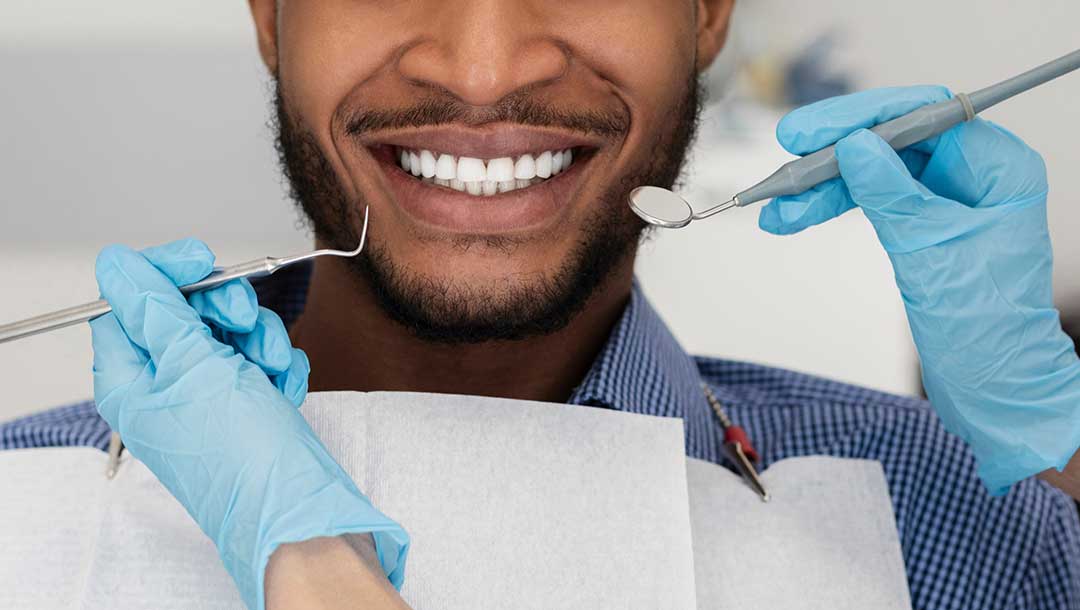
Modern dental offices in the region strive for a calming environment and welcome questions.
Are Cleanings the Same for Everyone?
Not always. Some factors can affect your cleaning:
- Those with braces, bridges, or implants may need special tools or extra attention.
- People with gum disease (periodontitis) sometimes require deeper cleanings, called scaling and root planing, which can span several visits.
- Children’s cleanings are often quicker, with more emphasis on education and gentle techniques.
Living in Altoona, households with water that lacks added fluoride may benefit more from fluoride treatments or other preventive measures, depending on dental staff guidance.
Are Dental Cleanings Safe and Necessary?
For healthy adults and children, professional cleanings are considered safe and important for early detection of problems. Missing regular cleanings increases the risk of gingivitis, cavities, and chronic issues that can become more difficult and expensive to address over time.
Those with medical conditions—such as heart disease or certain joint replacements—should remind staff of their history, as special precautions may be necessary.
What Are Common Misconceptions About Cleanings?
Area residents sometimes wonder:
- Cleanings are not supposed to erode enamel or cause permanent tooth sensitivity; if you notice ongoing discomfort, discuss it with the dental provider.
- Cleanings do not whiten teeth like cosmetic procedures, but will remove some surface stains for a fresher look.
- Even with diligent home brushing and flossing, professional cleanings play a unique role in preventing both decay and gum disease.
Regular cleanings, combined with good home care and periodic checkups, are central to maintaining oral health in the region’s climate and lifestyle patterns.