

 See My Latest Article on HelloNation

Why Might Gums Bleed During Brushing?
For many Altoona, PA residents, noticing blood in the sink after brushing can be concerning. Bleeding gums during brushing most often result from inflammation due to plaque buildup, but can also signal other oral health factors or hygiene mistakes. Early recognition can help community members maintain good oral well-being.
What Causes Bleeding Gums While Brushing?
Most bleeding originates from irritated or inflamed gum tissue. The most common culprits include:
- Plaque build-up: When soft, sticky plaque accumulates along the gumline, the body’s immune response triggers inflammation, making gums more likely to bleed.
- Brushing too hard: Using excessive force or a hard-bristled toothbrush can injure sensitive tissue, leading to bleeding.
- Flossing inconsistently: Gums that are not used to regular flossing may bleed when you resume this habit, often clearing up after a few days of consistent, gentle flossing.
Longer daylight hours and seasonal weather changes in Altoona can sometimes affect residents’ daily routines, occasionally leading to shifts in brushing habits or frequency.
Is Bleeding Always a Sign of Gum Disease?
Not always. While bleeding is a common early warning sign of gingivitis, there are other factors at play.
Mild, occasional bleeding may result from brushing technique, dietary changes, or temporary irritation.
Chronic, frequent bleeding—especially accompanied by swelling, redness, or persistent bad breath—can suggest gingivitis or more advanced gum disease. Untreated, this may progress to periodontitis, which can threaten tooth stability.
Environmental influences, such as dry winter air and heating systems common in Altoona homes, can dry out oral tissues, sometimes increasing irritation and swelling.
Can Daily Habits or Diet Influence Gum Health?
Absolutely. Local eating patterns, hydration habits, and daily routines all play roles in gum health:
- Diets low in vitamin C (found in fruits like oranges, strawberries, and peppers) can lead to swollen, bleeding gums.
- High intake of sugary snacks or beverages can contribute to plaque formation.
- Not drinking enough water, especially during the dry winters the city experiences, can reduce saliva’s protective effect.
Residents who smoke or use tobacco—still prevalent in some area households—are at an increased risk for both gum bleeding and long-term oral health issues.
Could Medical Conditions or Medications Be Responsible?
Several health conditions and common medications can contribute to gum bleeding:
- Certain blood-thinning medications (like aspirin or anticoagulants)
- Hormonal changes during pregnancy, puberty, or menopause
- Blood disorders or diabetes, which can impair healing and increase inflammation
Residents undergoing treatments or taking new prescriptions should check for oral side effects, as many Altoona, PA physicians and pharmacists will confirm.
Are There Mistakes People Make That Can Worsen Bleeding?
Yes, a few common missteps can actually make the problem worse in local households:
- Using toothbrushes with very firm bristles, which can scrape gums
- Skipping brushing or flossing, which allows plaque to continue irritating gum tissue
- Rinsing too aggressively with alcohol-based mouthwashes, increasing dryness and irritation
- Switching between hot and cold foods rapidly, which can sometimes increase sensitivity for some residents
Replacing toothbrushes every three months, as often recommended, is a helpful practice since worn bristles are less effective and may be abrasive.
Should You Stop Brushing if Your Gums Bleed?
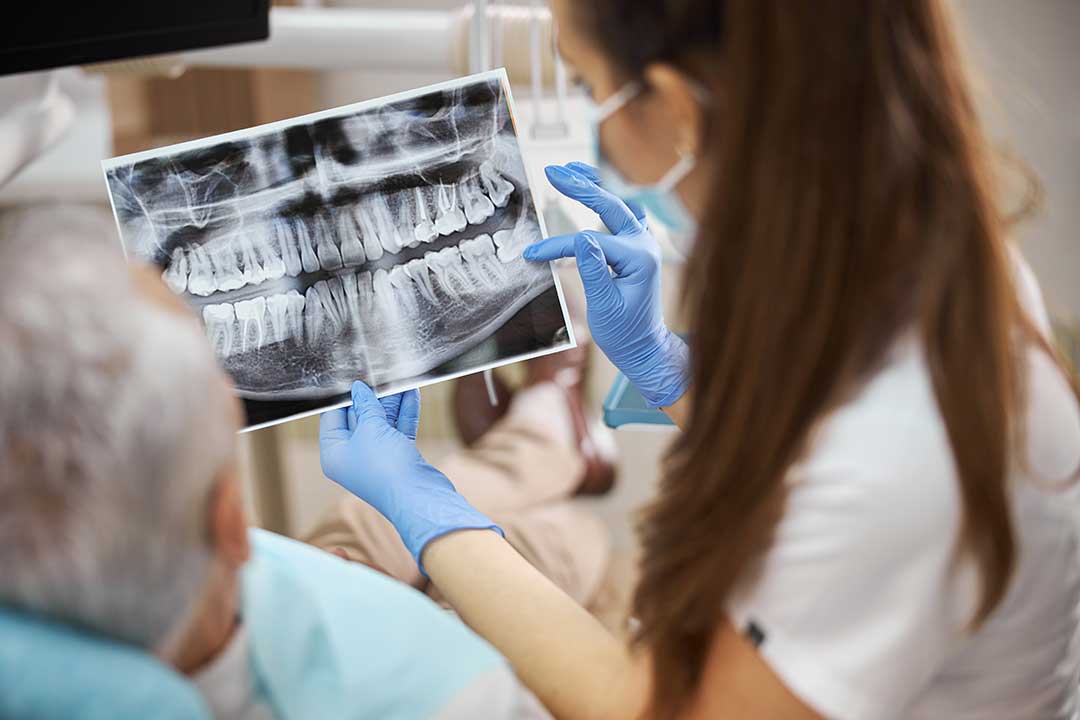
It may feel counterintuitive, but stopping brushing or flossing can actually worsen the situation over time. Gentle, thorough cleaning is key:
- Use a soft-bristled toothbrush
- Brush in gentle, circular motions at the gumline
- Floss carefully, without snapping the floss between teeth
Many Altoona families find it helpful to set a reminder to brush twice daily—particularly in winter months when routines can be disrupted by weather.
What Else Can Help Reduce Bleeding and Promote Healthy Gums?
Simple adjustments can make a significant difference:
- Increase intake of vitamin-rich fruits and vegetables
- Drink adequate water, particularly during dry spells or when heating systems are running
- Replace worn toothbrushes regularly
- Avoid tobacco use
- Schedule consistent oral hygiene time, even during busy school or sports seasons
For those using orthodontic appliances or dental prosthetics, taking extra care to clean around hardware is especially important.
When Should Bleeding Gums Be Discussed with a Healthcare Provider?
Occasional, mild gum bleeding that resolves in a few days with improved oral care is usually not worrisome. However, area residents should seek guidance if:
- Bleeding is persistent, heavy, or accompanied by swelling or pain
- Gums appear to pull away from teeth, or teeth feel loose
- There are signs of infection like pus or fever
Underlying medical conditions or side effects from prescribed medications should be discussed with a local healthcare provider.
By understanding the common causes and overlooked factors, Altoona residents can take proactive steps to support lasting oral health for themselves and their families.