
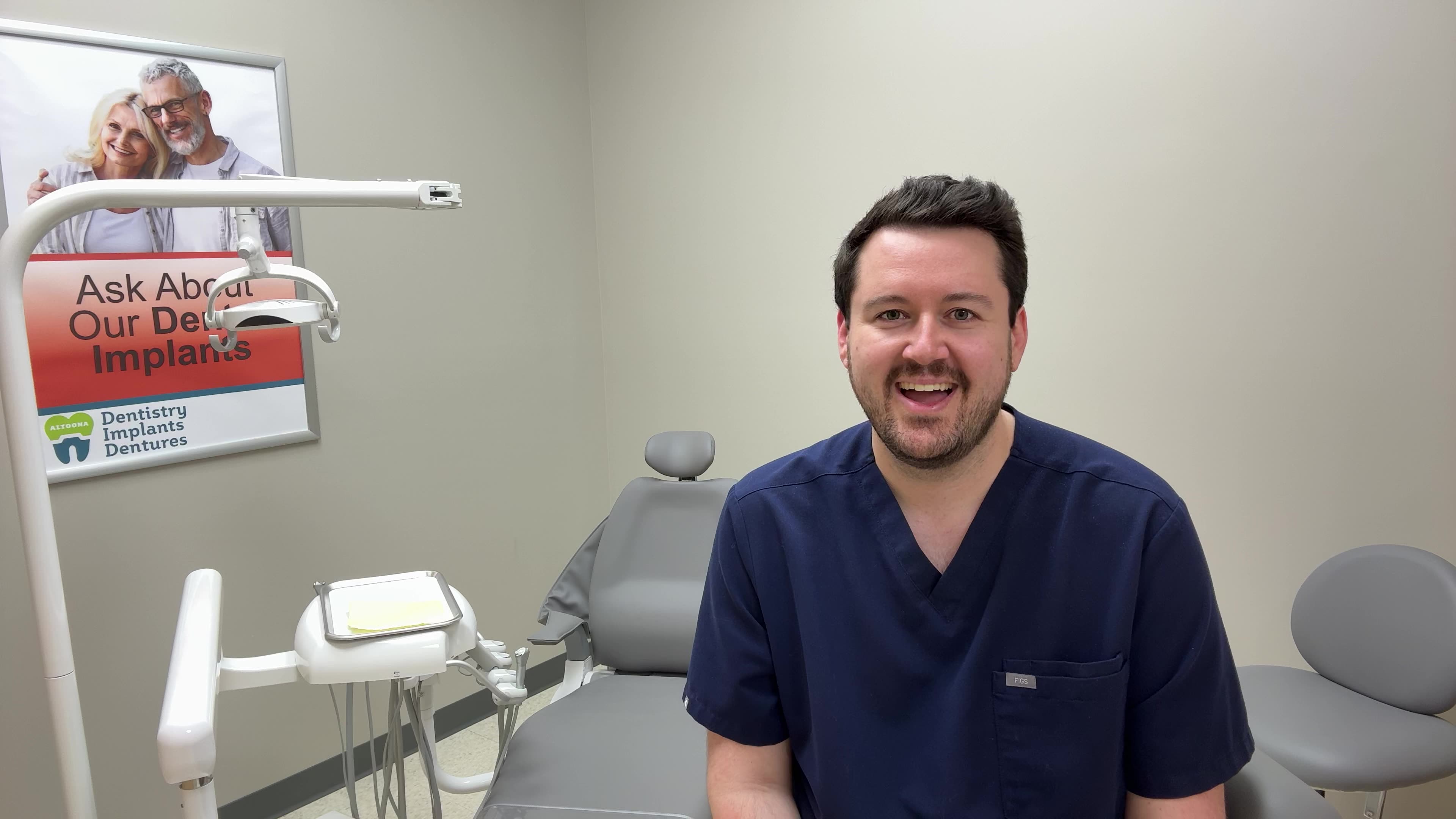
 See My Latest Article on HelloNation

How Early Should a Child See the Dentist for the First Time?
Most experts recommend that a child have their first dental checkup by their first birthday or within six months of their first tooth appearing. Early visits are designed to familiarize children—and their caregivers—with dental care, to catch issues early, and to guide healthy habits right from the start.
This advice is based on research showing that early dental visits make children less likely to experience tooth decay and dental anxiety later. For families in Altoona, PA, starting dental care around age one fits well with common changes in eating and drinking habits that often occur during a young child’s second year. Early appointments also allow local families to receive guidance tailored to seasonal snacks, city water systems (such as public versus well water), and habits related to area schools or childcare routines.
Why Visit a Dentist So Early?
Early dental visits serve several purposes for Altoona households:
- Monitor development: A dentist can check that teeth, gums, and jaws are developing normally.
- Spot hidden problems: Tooth decay and gum issues can begin as soon as teeth emerge, often before there are obvious signs.
- Discuss habits: Risk factors—like bottle feeding at bedtime, thumb-sucking, or favorite local snacks—can be reviewed before they become problems.
- Prepare for home care: Parents and caregivers receive personalized tips for cleaning emerging teeth based on local routines, water quality, and common dietary patterns.
Skipping these early appointments can delay diagnosis of potential issues, which can become more difficult (and sometimes more costly) to address later.
What Happens During a Child’s First Dental Checkup?
The first visit is simple and designed to be comfortable. It usually involves:
- A gentle exam of teeth, gums, and jaw.
- Guidance for caregivers on brushing, nutrition, and teething relief.
- A review of daily routines, such as snacks brought to playgrounds, preschool, or outings in the city’s parks.
- Addressing questions about thumb-sucking, bottle use, pacifiers, and other habits common during Altoona’s colder months, when families spend more time indoors.
Local offices are used to seeing very young children and can adapt for different levels of comfort or readiness. Some children sit on a caregiver’s lap for reassurance.
How Frequently Should Young Children Have Dental Checkups?
After the initial visit, most children benefit from checkups every six months. In general, twice-yearly visits allow for:
- Early detection of tooth decay or other concerns, especially as children become more active in school, sports, or community events.
- Updated guidance on seasonal eating patterns, such as autumn treats or summer cold drinks.
- Ongoing support for parents managing brushing routines or bedtime habits that may shift through the year.
For children with unique health needs or risks, visit schedules may be adjusted in consultation with a dental professional.
What If a Child Seems Anxious or Resistant?
It’s normal for babies and toddlers to be nervous about new experiences, especially during appointments with unfamiliar sights and sounds. In Altoona, most families find that:
- Scheduling appointments in the morning, when children are well-rested, helps.
- Reading books or role-playing about visiting the dentist can prepare a child.
- Caregivers who remain calm and encouraging make the experience smoother.
With early, positive exposure, local children are more likely to build comfort and trust in dental care settings over time.
What Signs Might Mean an Earlier Visit Is Needed?
Even before a child’s first scheduled checkup, certain symptoms suggest a need for a prompt dental evaluation:

- White or brown spots on teeth (which may signal early decay)
- Bleeding, swollen, or red gums
- Persistent bad breath
- Injuries to the mouth, often from falls typical in playgrounds, sidewalks, or icy winter conditions
Any of these signs warrant an extra visit for guidance, even before the usual timeline.
Are There Unique Local Concerns for Children’s Oral Health?
Certain regional factors can shape dental care advice for local families. In Altoona, seasonal changes and housing types may influence dental risk:
- Wintertime means more indoor snacks, hot drinks, and less outdoor activity, sometimes leading to more frequent snacking or sugar intake.
- Area households drawing water from private wells may not have the added fluoride found in public sources; this can be discussed at an early visit.
- Close-knit community events, sports leagues, or daycare programs might affect the types of snacks and drinks children receive.
Discussing these local patterns with a dentist early helps caregivers spot and manage risks unique to the area.
What Common Misconceptions Can Delay the First Checkup?
Some local residents believe baby teeth don’t require professional attention since they’re temporary. However, cavities and infections in early teeth can affect speech, eating, and the health of developing adult teeth. Others may assume that brushing alone is enough, but routine dental visits help catch issues that aren’t obvious at home and deliver up-to-date advice on care as children grow.
Educators in the city’s schools and preschools increasingly recommend early dental visits, reflecting the current understanding among health professionals.
How Can Households Prepare for an Early Dental Visit?
To make the visit go smoothly:
- Choose a time when the child is normally alert and content.
- Bring a favorite toy or comfort item.
- Be prepared to share medical history, eating routines, and any concerns observed at home.
Taking these steps helps establish dental checkups as a normal and positive part of growing up in the city.